How To Use Mulch In Flower Garden : Tips Will Help You To Choose The Right Mulch For Your Vegetable Garden Brighteconomist - It isn't as good as hardwood bark mulch, but it isn't as expensive either.. The process of choosing a mulch to use in your garden begins with an analysis of why we use mulches in the first place. Why use a mulch in your garden? How much mulch to use ideally, randaci says you'll want to spread between two and four inches of mulch evenly across your flowerbeds. Choose colored mulch that complements the exterior colors of your home in the brick, stone, stucco and siding. Mulch is a useful addition to any garden or yard.
Water this down as well. Improve the structure and capacity of the soil. Wood mulch robs the soil of the nitrogen that plants require. For example, brownish/red pine mulch goes well with brick houses, says jeremy becker, owner of firefly landscapes in kansas city. Using proper mulching techniques you can have healthy garden beds.
Maintaining Mulch Year Round Patuxent Nursery from patuxentnursery.com Organic mulches are made from dead plant material such as compost, leaves, bark or grass clippings.inorganic mulches include rocks or gravel but they can also include plastic sheeting, landscape fabric and 'rubber mulch'. We can use mulches to: Covering the soil with a layer of mulch helps control weed growth, reduce moisture loss and moderate soil temperature. In flowerbeds, use it underneath a hardwood mulch to provide extra weed control. In addition to this, mulch will help retain moisture, build up loam and prevent the soil from packing hard in hot and dry weather. Rake the leaves into a pile in an area that will get wet on occasion. Add nutrients and build soil fertility. Established perennial / flower beds
Wood mulch robs the soil of the nitrogen that plants require.
Then, shovel small piles of mulch in the areas that you want to add it to. Shredded leaves are a great choice for composting in flowerbeds and gardens. Multiply the rough size of your flower beds by how deep you want to lay your mulch. Protect bare soil from nutrient loss and erosion. Mulch in the spring, when your perennials are emerging. The flower garden should be mulched regularly throughout the year. Then, depending on the weather, renew the mulch in summer to help keep the plants cool and to conserve soil moisture during the really hot months of the year. For example, brownish/red pine mulch goes well with brick houses, says jeremy becker, owner of firefly landscapes in kansas city. How to use deep mulch in your garden. Mulch trees and shrubs properly. Mark out the site for your deep mulch garden, cut any weeds back and water the site thoroughly. To create a deep mulch bed, first select the site; Remember, you don't have to worry about the soil conditions in the area.
Established perennial / flower beds To create a deep mulch bed, first select the site; The definitive how to mulch video is here: How much mulch to use ideally, randaci says you'll want to spread between two and four inches of mulch evenly across your flowerbeds. Mark out the site for your deep mulch garden, cut any weeds back and water the site thoroughly.
10 Mulch Do S And Don T S Hgtv from hgtvhome.sndimg.com If you apply mulch in late fall or early winter and you live in a cold climate, wait until the ground freezes before mulching. How to mulch flower beds most garden experts recommend laying down two or three inches of flower bed mulch. Mulch trees and shrubs properly. In a flower garden, mulch also has aesthetic value. Multiply the square footage of your area to be mulched by the number of inches of mulch you want to apply. Whether it's organic or inorganic, mulch helps moderate soil temperature and weather damage, prevent weed growth, and retain soil moisture. Why use a mulch in your garden? Remember, you don't have to worry about the soil conditions in the area.
The flower garden should be mulched regularly throughout the year.
Whether it's organic or inorganic, mulch helps moderate soil temperature and weather damage, prevent weed growth, and retain soil moisture. You should also mulch between plant rows to keep weeds away (but, it is not recommended that you add herbicide around your veggies!) We can use mulches to: In general, for the flower beds, go with a simple bark mulch. How to mulch shows you how to apply mulch to your gardens and landscape. Protect bare soil from nutrient loss and erosion. Established perennial / flower beds Multiply the square footage of your area to be mulched by the number of inches of mulch you want to apply. All these advantages are important so it makes sense to use mulch on your garden plants. On the flip side, too thin a layer of mulch may not adequately stop weed growth or prevent evaporation as intended. Mulching around trees and shrubs is a great way to prevent injury from mowers and trimmers. Remember, you don't have to worry about the soil conditions in the area. Mulch is a useful addition to any garden or yard.
In flowerbeds, use it underneath a hardwood mulch to provide extra weed control. Mulch is a useful addition to any garden or yard. This is important for moisture retention. Mulching around trees and shrubs is a great way to prevent injury from mowers and trimmers. To do so, set plants in place, water them well, spread.
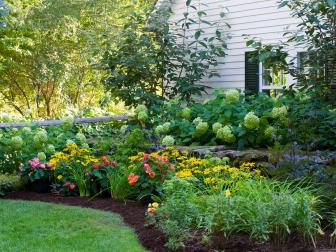
Flower Beds Mulching Pittsburgh Pa Congleton Landscape Supply from lirp.cdn-website.com Shredded leaves are a great choice for composting in flowerbeds and gardens. If you're using bags of mulch, you can drag or carry the bags to your flower beds, cut them open and pour out the mulch. How to mulch a garden is a common question. If you apply mulch in late fall or early winter and you live in a cold climate, wait until the ground freezes before mulching. Mulch will help keep weeds down in addition to the fabric while covering the landscape fabric, providing organic nutrients to the soil and beautifying your yard. All these advantages are important so it makes sense to use mulch on your garden plants. Depending on where you live, this may be all you need. In general, for the flower beds, go with a simple bark mulch.
Repeat this as needed when the mulch degrades or thins out.
It isn't as good as hardwood bark mulch, but it isn't as expensive either. Add nutrients and build soil fertility. Shredded leaves are a great choice for composting in flowerbeds and gardens. Wood mulch robs the soil of the nitrogen that plants require. Organic mulches are made from dead plant material such as compost, leaves, bark or grass clippings.inorganic mulches include rocks or gravel but they can also include plastic sheeting, landscape fabric and 'rubber mulch'. Shovel small piles of mulch onto your flower bed or lawn. Water this down as well. How to mulch flower beds most garden experts recommend laying down two or three inches of flower bed mulch. Repeat this as needed when the mulch degrades or thins out. The key to success starts with selecting the best mulch for the application. Using a dark mulch can contrast with flowers, improving your landscape design. Begin by putting down a thick layer of mulch around your plants in spring. Mulch trees and shrubs properly.